




Knoll Marcel Breuer - Cesca® Stool
Quality takes time. Each piece is made to order for your space.
Complimentary white-glove delivery across Canada. Includes delivery inside your home, placement in the room of choice, full assembly, and removal of all packaging.
If your order includes pieces from more than one brand, each ships on its own timeline. White-glove delivery is included for Herman Miller and Knoll. Other brands offer white-glove delivery for an additional fee.
Yukon, Northwest Territories, and Nunavut are excluded from standard delivery. Want delivery there? Contact us for a custom quote.
Estimated delivery: 2–8 weeks.
Because each piece is custom-made to your specifications, all orders are final sale; they can't be returned or exchanged. We confirm every detail with you before production begins.
This is an authentic product, an original design sourced directly from the brand, never a replica.
Description
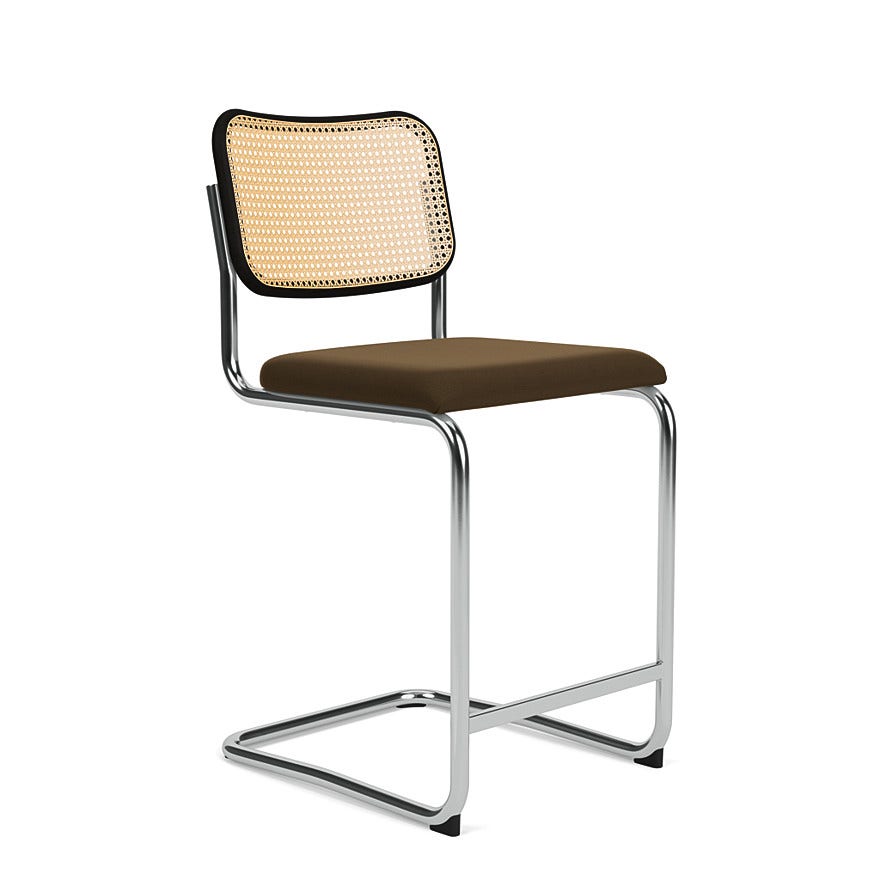
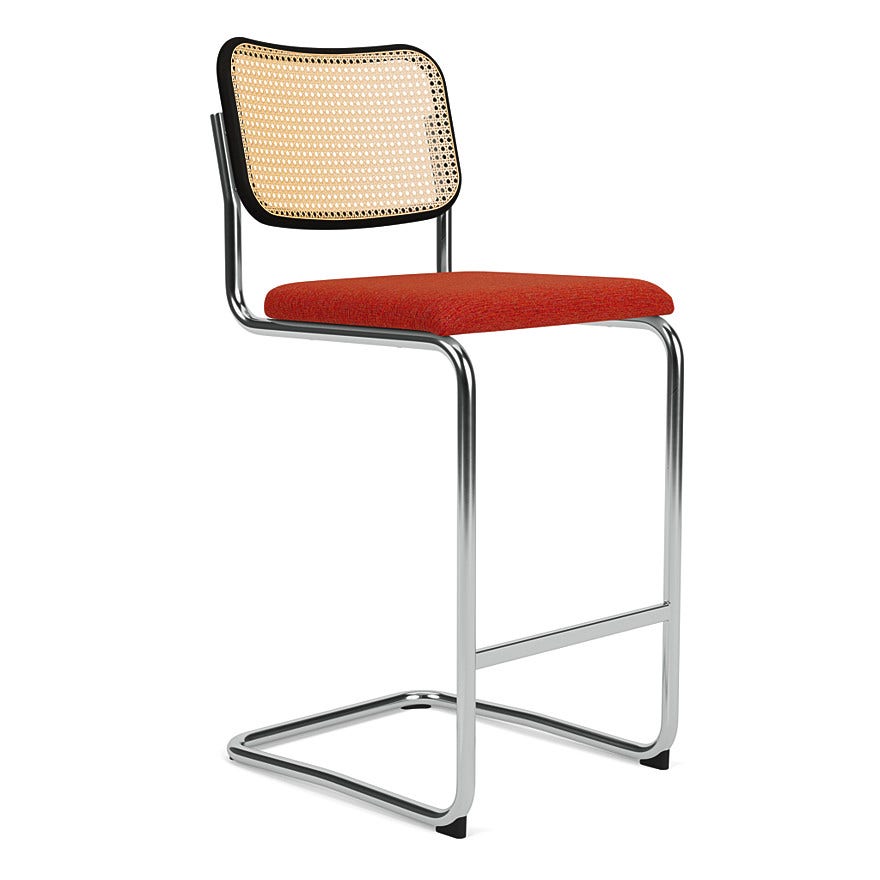
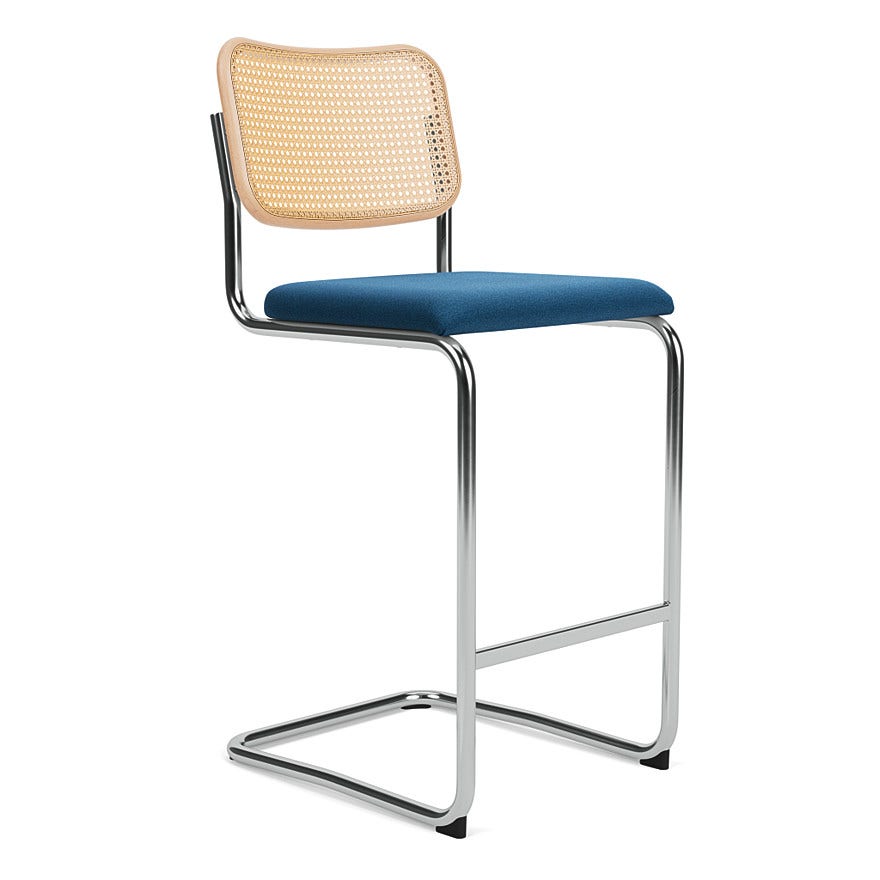
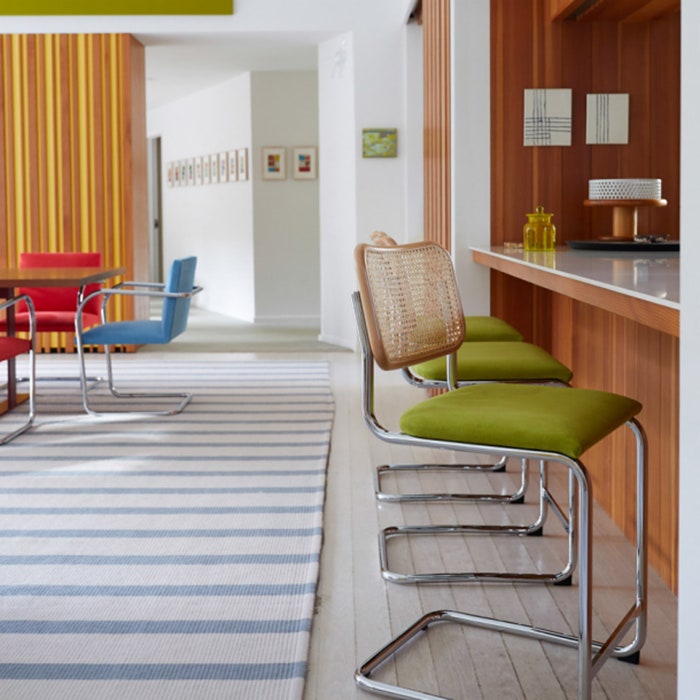
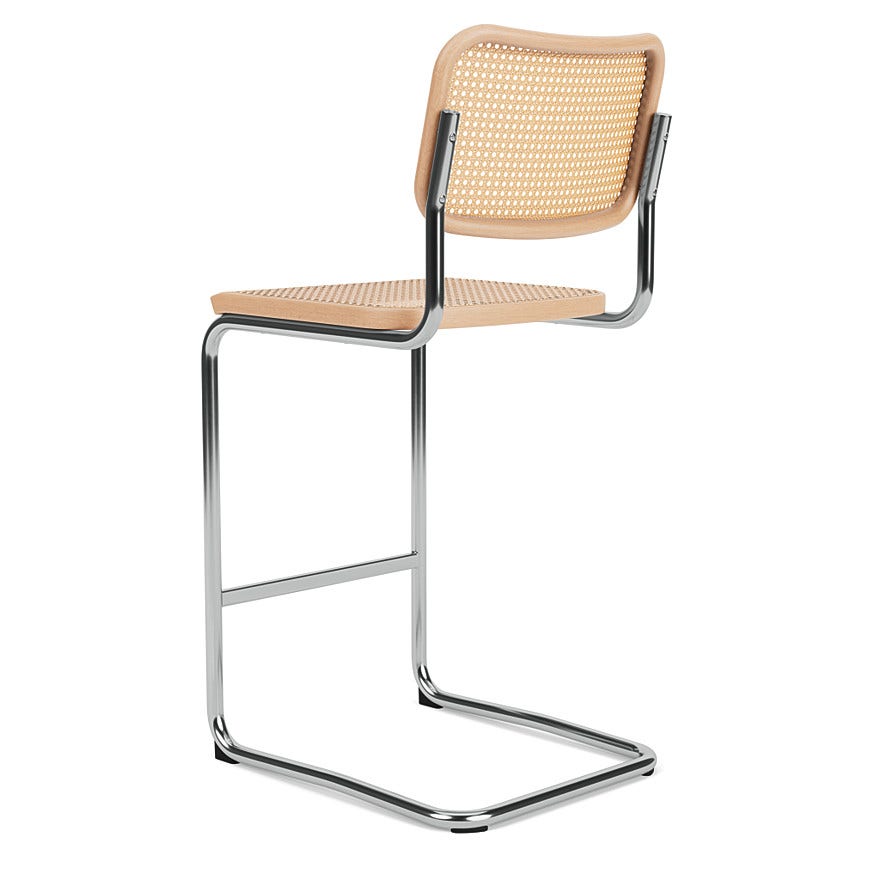
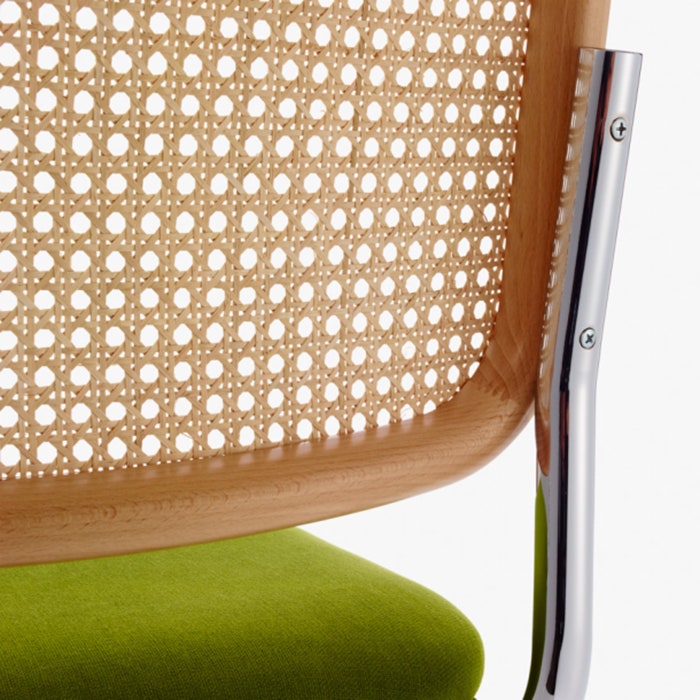
Marcel Breuer married traditional craftsmanship with industrial methods and materials to help make tubular steel furniture an international sensation and a modern institution. The cantilevered form exploits the possibilities unique to the material and gives the chair added flexibility and comfort. The iconic seat features hand-woven cane inserts and a beech frame.
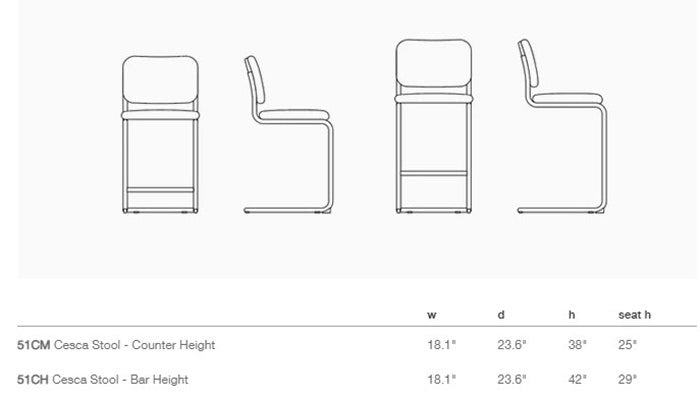
MEASUREMENTS:
- Height (Counter): 96.5 cm / 38 inch
- Height (Bar): 107 cm / 42 inch
- Seat Height (Counter): 63.5 cm / 25 inch
- Seat Height (Bar): 74 cm / 29 inch
- Width: 46 cm / 18 inch
- Depth: 55 cm / 21.7 inch
MATERIALS:
- Cane insets are handwoven
- Frame is 1” diameter chrome-plated round steel tube with a polished finish
- Plastic glides snap into base to protect floors
- Seat frame is solid beech with either a clear natural lacquer or matte ebonized finish
HELPFUL NOTES:
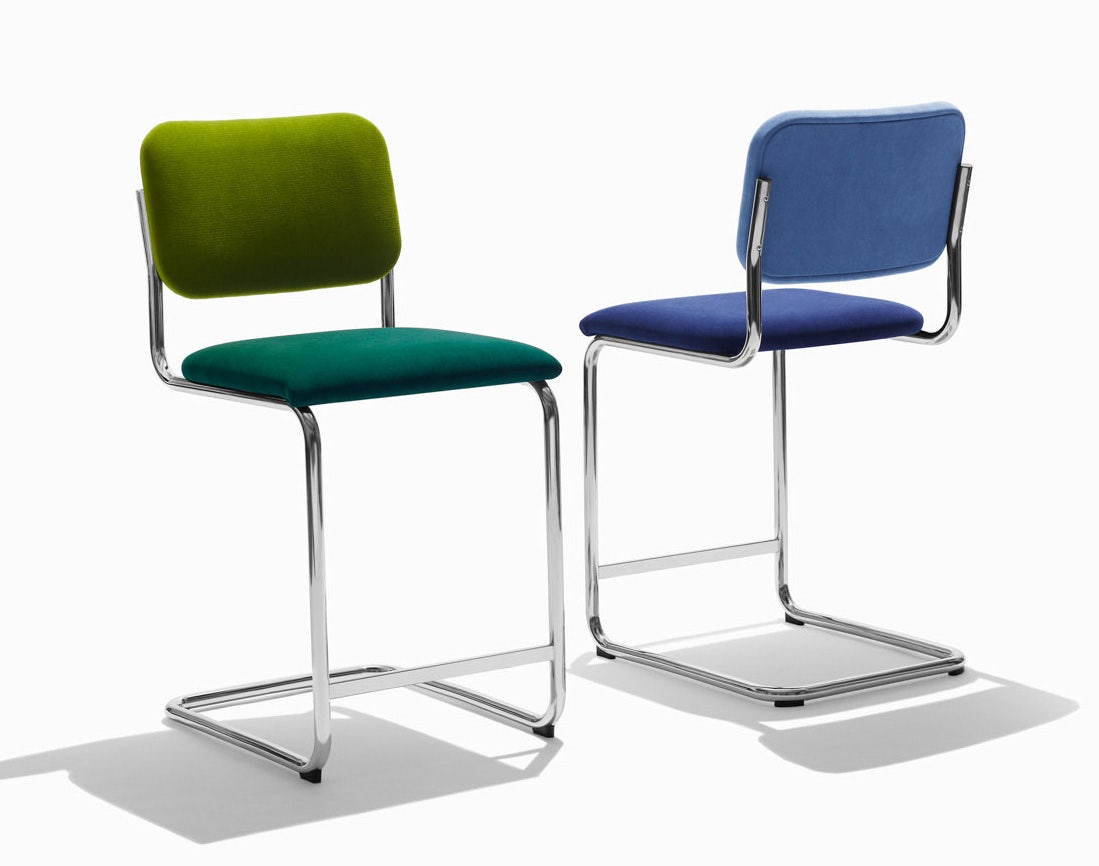
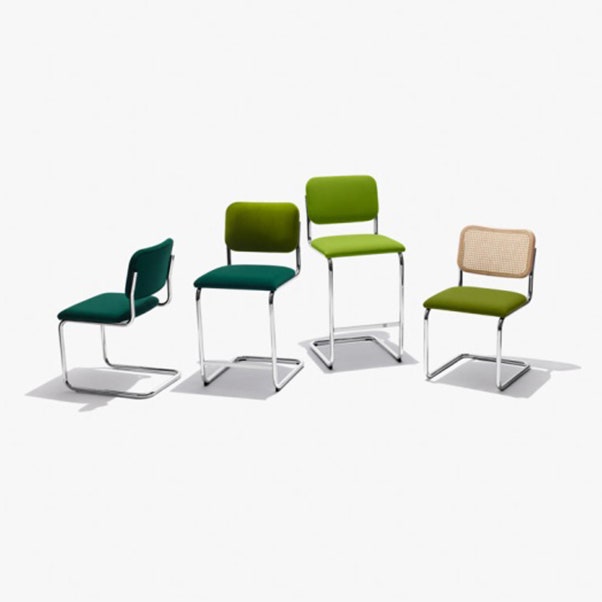
- Please contact us to order split upholstery for the seat and back
- It is not possible to have a cane seat and an upholstered back
- Greenguard Indoor Air Quality Certified®
Designer

Marcel Breuer
Hungary, 1902 – 1981
Marcel Breuer trained at the Bauhaus in Weimar, Germany and is heralded as having produced the first tubular steel armchair, his pieces pioneering the demand for tubular steel furniture throughout the 1920s and 1930s. These pieces, along with his innovative laminated wood furniture and his unique architectural interpretation of light and space yielded a great deal of international respect and inspired the work of a wide range of designers.
Breuer studied under Walter Gropius at the Bauhaus from 1920-24. When the Bauhaus moved to Dessau in 1925, Breuer designed furniture for the new campus and became head of the furniture workshop. Also in 1925, Breuer created the famous tubular steel Wassily chair, made for Wassily Kandinsky’s space in Dessau. It made the user look as though they were floating on the seat within the steel cube frame. The chair was innovative in that it was extremely light and was built entirely from ready-made tubes that were welded together.
In 1928 Breuer started a private practice in Berlin and came out with his Cesca cantilever chair, inspired by Mies Van der Rohe. A 1936 molded plywood chair he made inspired the work of the Eames a decade later and his nested tables revisited the form he had produced earlier in steel.
In 1937 Breuer moved to America and worked as an architect with Gropius in Massachusetts. From 1937-1947 he taught architecture at Harvard, and was commissioned by his former student Eliot Noyes to design buildings for IBM.
Breuer is seen as one of the forefathers of the energetic aesthetic of uninhibited experimentation combined with a high standard of artistry that the design industry enjoyed throughout the second half of the century. Breuer retired from active practice in 1976 and died five years later, in 1981.
Shop all designs by Marcel Breuer
Shipping
Complimentary white glove shipping included.
For further information on our shipping policies click here.
For further information on returns + refunds click here.
Complimentary white-glove delivery across Canada. Delivered inside your home, placed in the room of your choice, fully assembled, with all packaging removed.
If your order includes pieces from more than one brand, each ships on its own timeline. White-glove delivery is included for Herman Miller and Knoll. Other brands offer white-glove delivery for an additional fee.
Yukon, Northwest Territories, and Nunavut are excluded from standard delivery. Want delivery there? Contact us for a custom quote.
Estimated delivery: 2–8 weeks.
Every piece is an authentic original sourced directly from the brand and covered by the manufacturer's warranty.
Knoll
2–8 weeks
 Knoll Marcel Breuer - Cesca® Stool
$1,839.00
Knoll Marcel Breuer - Cesca® Stool
$1,839.00
Design Services
Need help designing your space? Tell us about your project and our team will be in touch about our complimentary interior design services.