What Defines Italian Furniture — And Why It Changes a Space
There’s a noticeable shift that happens when the right piece enters a room.
It’s not always immediate or dramatic. In many cases, it’s something you register over time—a layout that feels more balanced, a surface that interacts with light differently, or a space that simply functions better than it did before.
At Alteriors, that shift often comes back to Italian design. Not as a label, but as an approach rooted in proportion, construction, and a clear understanding of how people use space.
Designed With the Room in Mind
Italian furniture is rarely conceived as a standalone object. It’s developed with the expectation that it will become part of a larger composition.
That thinking is evident in brands like B&B Italia, where seating systems are designed to be configured around the dimensions and flow of a room. Rather than forcing a layout to accommodate a piece, the piece is able to adjust to the space it occupies.
This flexibility is not an added feature, it’s part of the design from the outset, which is why the end result tends to feel settled rather than imposed.
Form That Follows Construction
The visual identity of Italian furniture is often tied to how it’s made.
In collections from Bonaldo, structural elements aren’t hidden or disguised. The way a table is supported or how a chair distributes weight directly informs its shape. As a result, form and function are closely aligned.
This approach creates pieces that feel resolved. Their appearance isn’t layered on afterward, but instead emerges from the logic of their construction.
A Focused Use of Materials
Material selection in Italian design tends to be deliberate and controlled.
Rather than combining multiple finishes to create contrast, many pieces rely on the strength of a single material that’s used well. Surfaces are consistent, transitions are clean, and details are handled with precision.
With MDF Italia, for instance, there’s often a clarity to the final product that comes from restraint. The design holds together because each element has been considered in relation to the whole.
Functional Elements Treated With Care
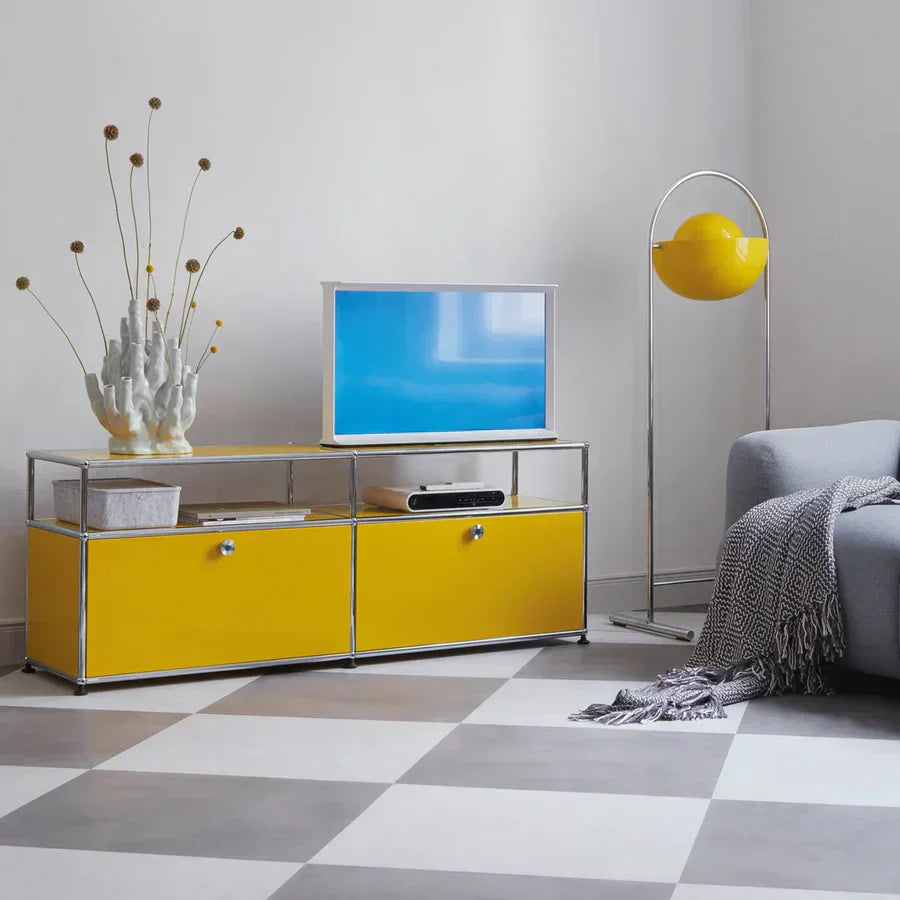
Tables, storage, and structural pieces play a larger role in a room than they are often given credit for. They influence how a space is used and how it moves.
Brands such as Pianca and Kristalia approach these elements with a high level of attention to proportion and alignment. The result is furniture that supports the layout of a space without drawing unnecessary attention to itself.
These pieces tend to organize a room quietly, which is why their impact is often felt before it is noticed.
How Lighting Highlights Composition
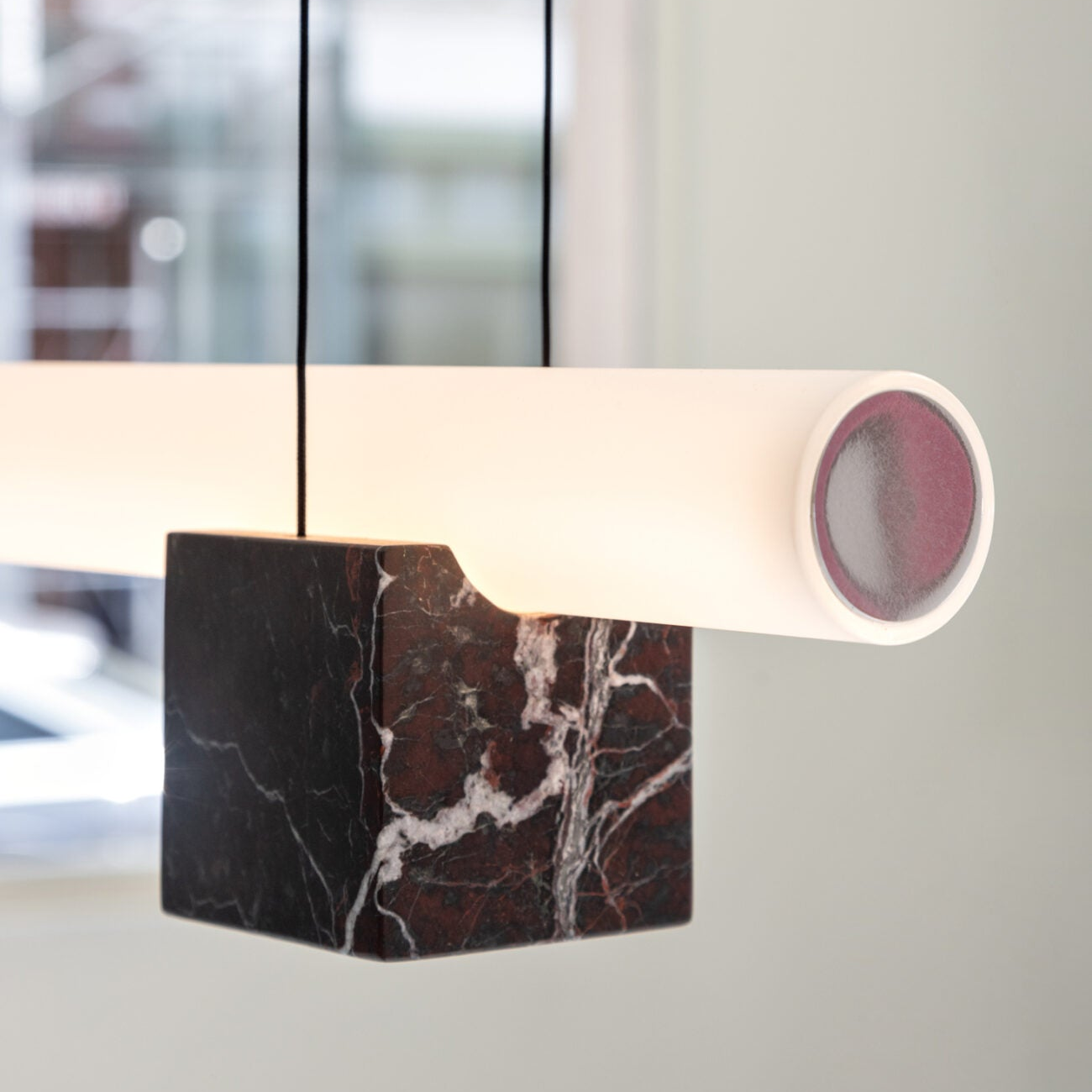
Lighting is integral to how a room is experienced, and it is treated accordingly in Italian design.
With Flos and Foscarini, fixtures are developed with an understanding of how light interacts with surfaces and volumes. They influence how materials are perceived and how depth is created within a space.
When considered early in the process, lighting helps unify the room rather than sitting apart from it.
Consistency Over Time
One of the strengths of Italian furniture is its ability to remain relevant as a space evolves.
Since the design is grounded in proportion, construction, and material, it doesn’t rely on trends to maintain its appeal. Pieces can move between rooms, adapt to new layouts, and continue to function effectively without feeling out of place.
This continuity is often what gives the space a sense of stability over time.
The Alteriors Approach
We look at furniture in terms of how it contributes to the overall performance and emotion of a space.
That includes how it fits within the layout, how it interacts with existing elements, how it supports the way the room is used day to day, and how it makes you feel when you’re in it. The goal is not simply to introduce new pieces, but to improve how the space works as a whole.
In many cases, a single well-considered addition is enough to create that shift.
Explore Italian Furniture at Alteriors
If you’re curious about how Italian furniture could fit into your home, you can explore our collection or visit our Ottawa showroom to experience how these pieces come together in a fully designed space.