

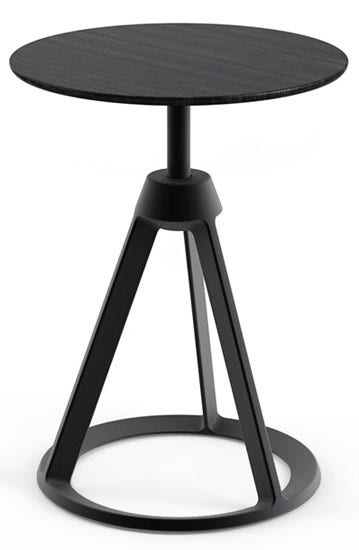
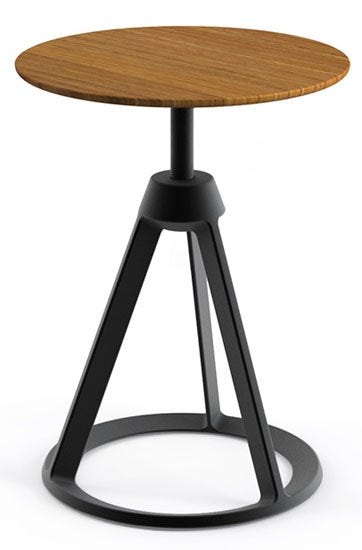
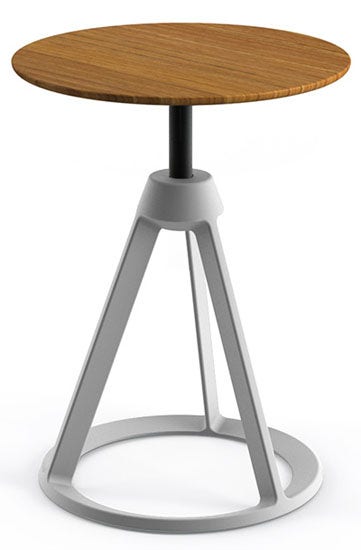





Knoll Barber Osgerby Piton™ Side Table
Quality takes time. Each piece is made to order for your space.
Complimentary white-glove delivery across Canada. Includes delivery inside your home, placement in the room of choice, full assembly, and removal of all packaging.
If your order includes pieces from more than one brand, each ships on its own timeline. White-glove delivery is included for Herman Miller and Knoll. Other brands offer white-glove delivery for an additional fee.
Yukon, Northwest Territories, and Nunavut are excluded from standard delivery. Want delivery there? Contact us for a custom quote.
Estimated delivery: 2–8 weeks.
Because each piece is custom-made to your specifications, all orders are final sale; they can't be returned or exchanged. We confirm every detail with you before production begins.
This is an authentic product, an original design sourced directly from the brand, never a replica.
Description
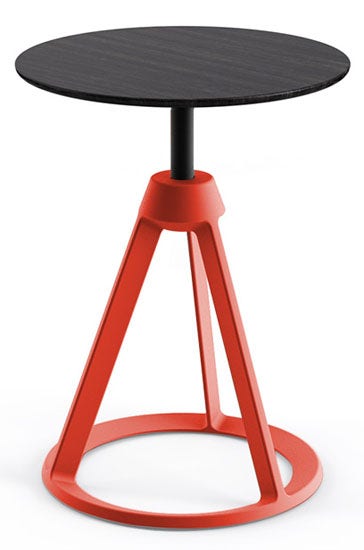
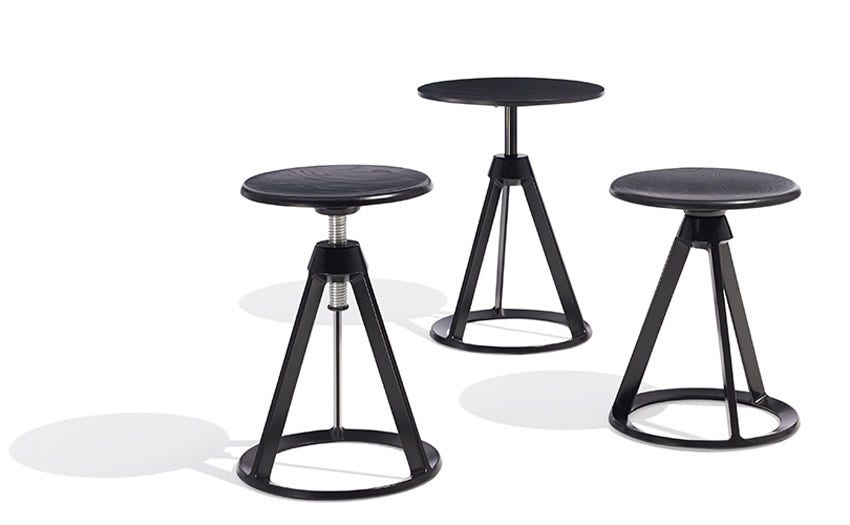
Taking cues from the aesthetic principles of Modernism and pragmatic considerations of the height-adjustable stools manufactured for sewing professionals in the mid-century era, the Piton™ Stool and Table are equally well suited for industrial tasks and domestic settings.
The geometric, elementary framework of the pieces is an interpretation of the familiar tripod structure; the conical base, unified by two concentric rings, guards against the potential for imbalance caused by an uneven floor, equally distributing weight so as to counteract the tendency of the stool's three-legged counterpart to wobble. The die-cast material is equally resilient to abrasions and dents, having been cast from the same material used for the foot of the Barber Osgerby Lounge Collection.
Features a robust cast aluminum base finished with a highly durable powder coat paint in a variety of colors. The geometric, elementary framework of the base is an interpretation of the familiar tripod structure; its tripod legs visually contained by two rings. The side table is not suitable for outdoor use.
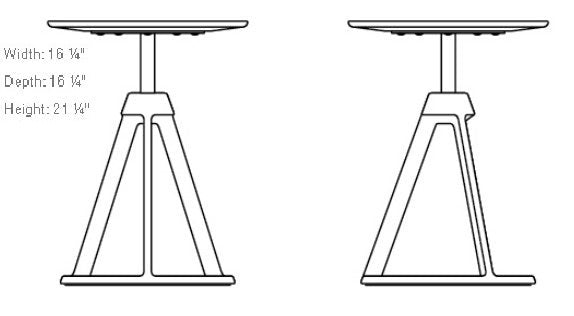
MEASUREMENTS:
- Height: 54 cm / 21.2 inch
- Width: 41.3 cm / 16.2 inch
- Depth: 41.3 cm / 16.2 inch
MATERIALS:
- Aluminum, Wood
HELPFUL NOTES:
- Not suitable for outdoor use
Designer

Edward Barber & Jay Osgerby
UK
Barber, 1969 / Osgerby, 1969
“The pencil is the ultimate tool for the transfer of ideas from mind to paper.” - Edward Barber
Edward Barber and Jay Osgerby, both born in England in 1969, studied architecture and interior design together at the Royal College of Art in London. They founded their own architecture and design studio – Barber Osgerby – in 1996. Known for their roguish designs such as the Tip Ton chair for Vitra and the Tab Light for Flos, the East London-based pair have been showered with a number of prestigious awards including the Jerwood Applied Arts Prize for Furniture, and most recently they were awarded the title of Royal Designers for Industry by the Royal Society of Arts.
Much of Barber and Osgerby’s early work involved the folding and shaping of sheet material, influenced by the white card that they had used frequently in architectural model making. Plywood and perspex were used in the development of the Pilot Table, 1999, and Stencil Screen, 2000.
Shop all designs by Edward Barber & Jay Osgerby
Shipping
Complimentary white glove shipping included.
For further information on our shipping policies click here.
For further information on returns + refunds click here.
Complimentary white-glove delivery across Canada. Delivered inside your home, placed in the room of your choice, fully assembled, with all packaging removed.
If your order includes pieces from more than one brand, each ships on its own timeline. White-glove delivery is included for Herman Miller and Knoll. Other brands offer white-glove delivery for an additional fee.
Yukon, Northwest Territories, and Nunavut are excluded from standard delivery. Want delivery there? Contact us for a custom quote.
Estimated delivery: 2–8 weeks.
Every piece is an authentic original sourced directly from the brand and covered by the manufacturer's warranty.
Knoll
2–8 weeks
 Knoll Barber Osgerby Piton™ Side Table
$1,702.00
Knoll Barber Osgerby Piton™ Side Table
$1,702.00
Design Services
Need help designing your space? Tell us about your project and our team will be in touch about our complimentary interior design services.