




Knoll Tugendhat™ Side Chair
Quality takes time. Each piece is made to order for your space.
Complimentary white-glove delivery across Canada. Includes delivery inside your home, placement in the room of choice, full assembly, and removal of all packaging.
If your order includes pieces from more than one brand, each ships on its own timeline. White-glove delivery is included for Herman Miller and Knoll. Other brands offer white-glove delivery for an additional fee.
Yukon, Northwest Territories, and Nunavut are excluded from standard delivery. Want delivery there? Contact us for a custom quote.
Estimated delivery: 2–8 weeks.
Because each piece is custom-made to your specifications, all orders are final sale; they can't be returned or exchanged. We confirm every detail with you before production begins.
This is an authentic product, an original design sourced directly from the brand, never a replica.
Description
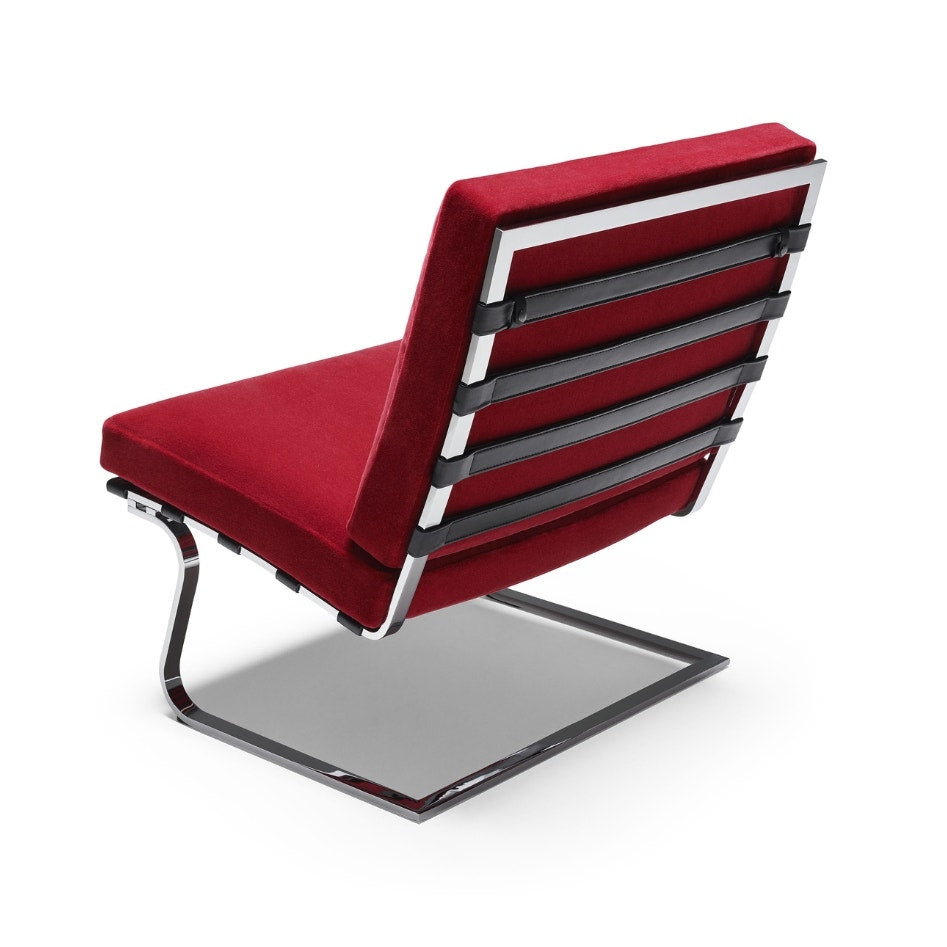
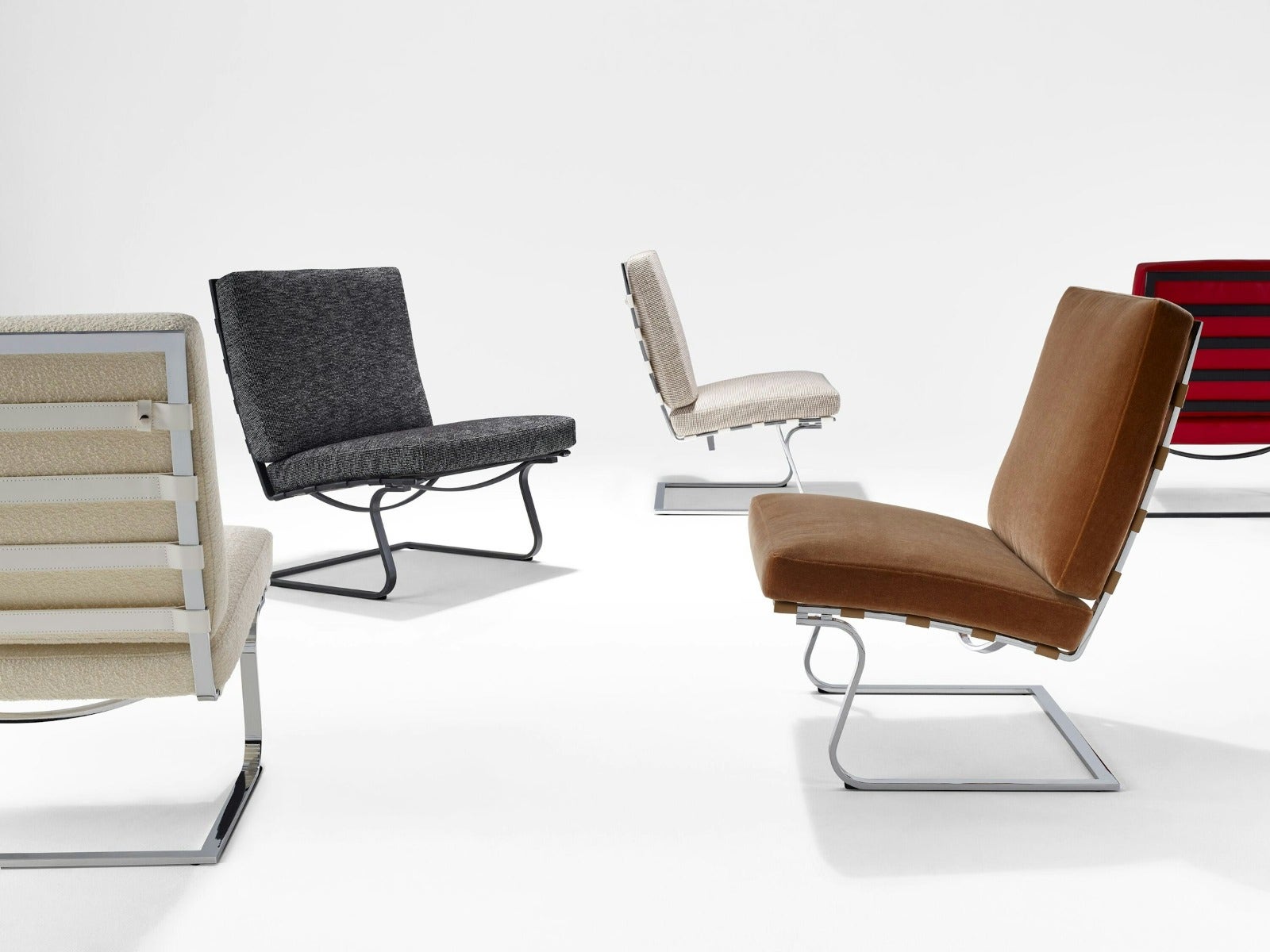
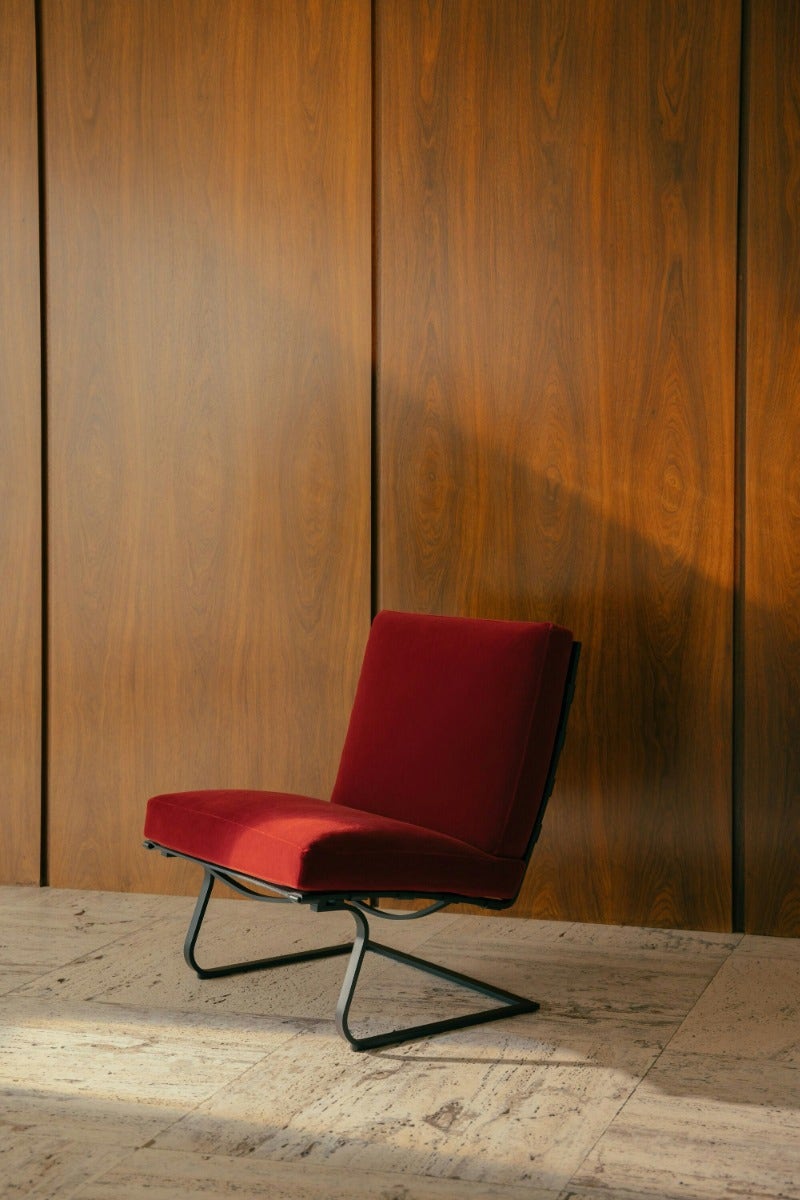
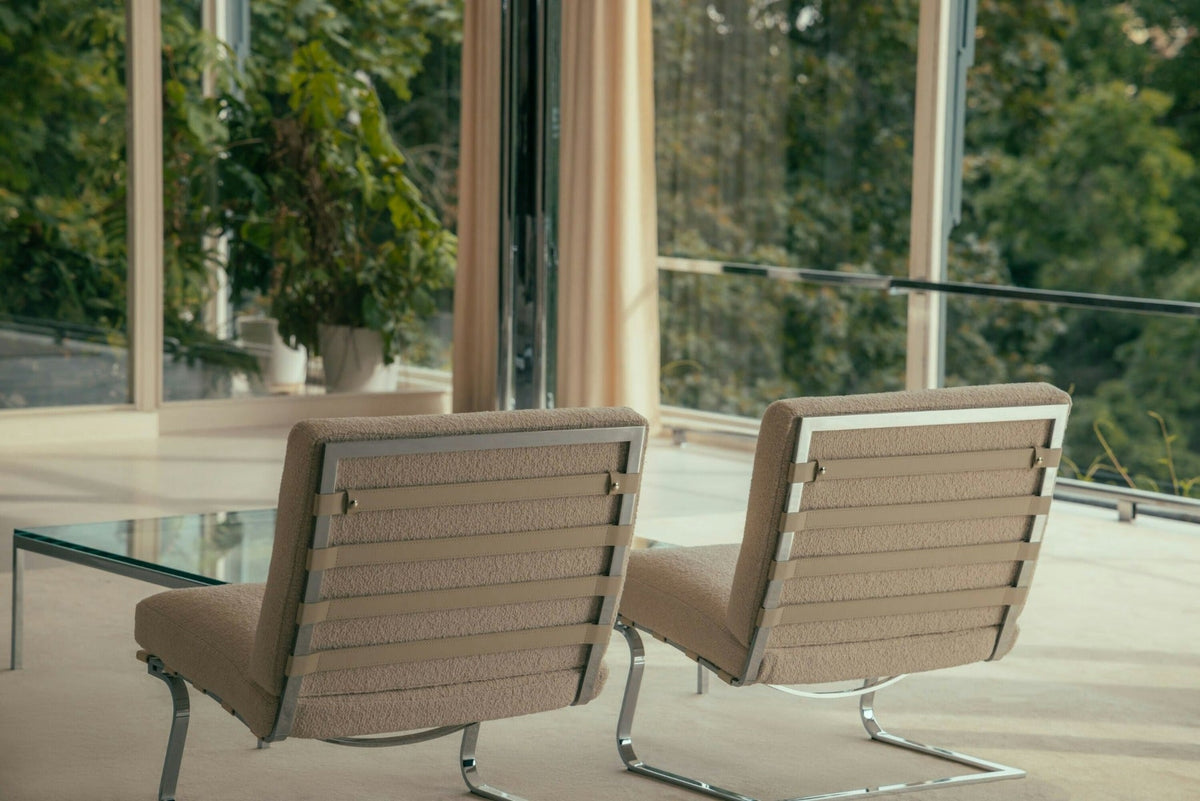
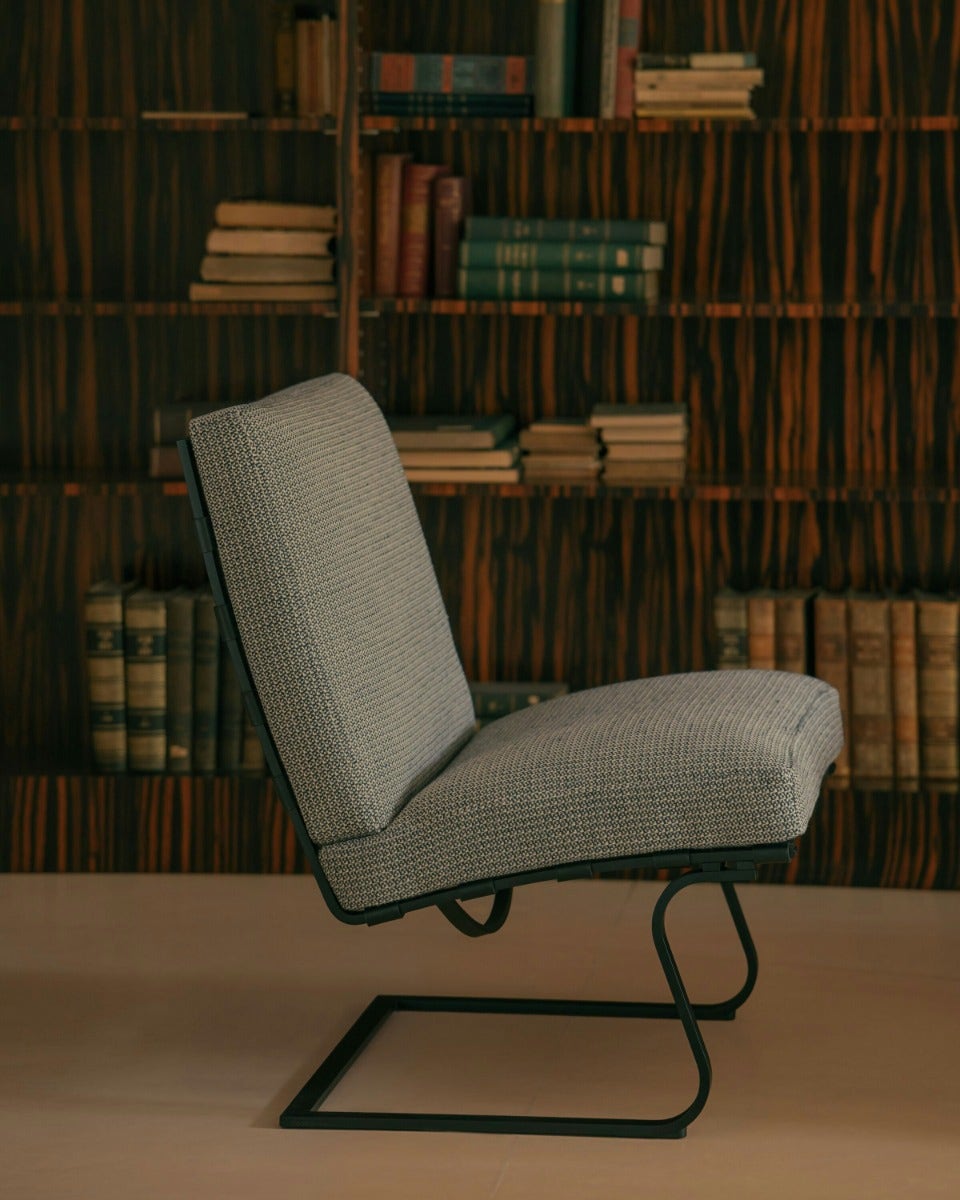
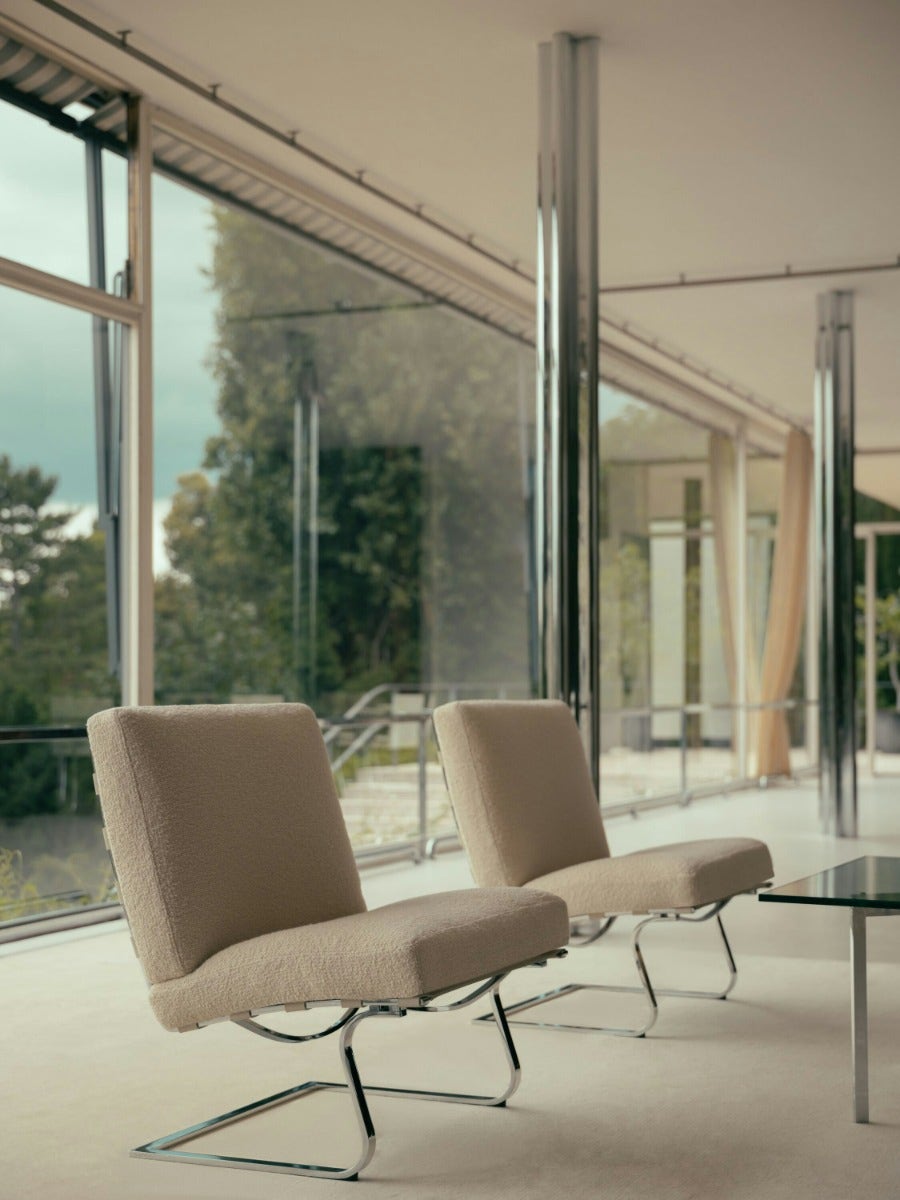
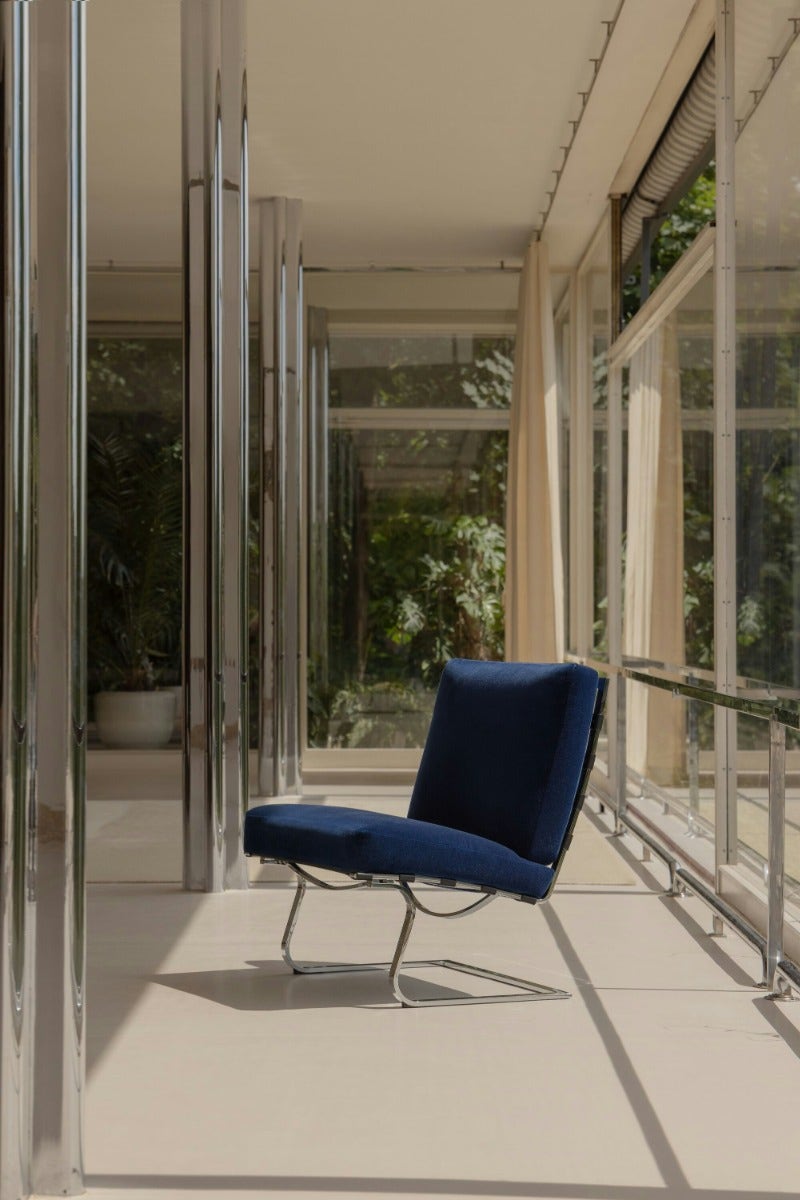
With its elegant, cantilevered form, the Tugendhat™ Chair embodies the technical precision and artistic intention that courses through everything Ludwig Mies van der Rohe designed. The steel frame is refined in both construction and materiality, while the thick cushions provide a high degree of comfort and inviting informality. This chair was designed in 1929 for the Tugendhat Villa in Brno, Czech Republic.
MEASUREMENTS:
- Width: 71 cm / 28 inch
- Depth: 72 cm / 28.5 inch
- Height: 84 cm / 33 inch
MATERIALS:
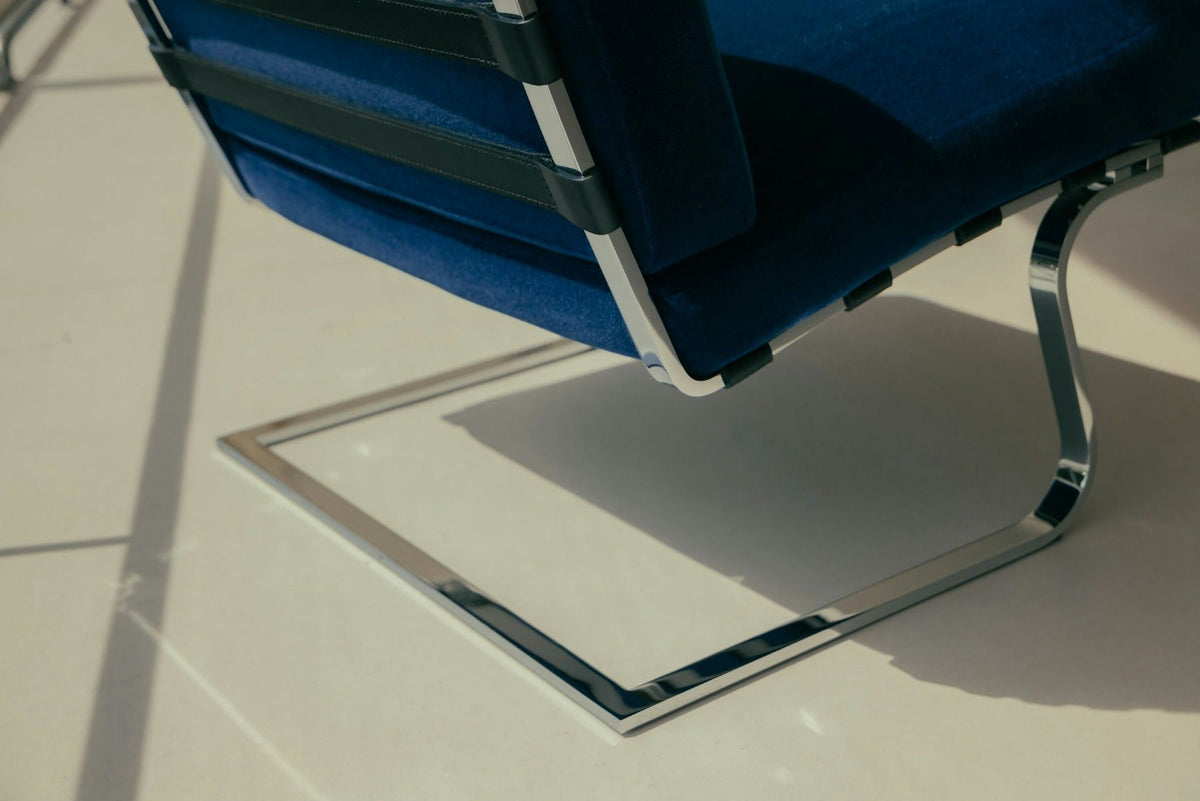
- Stainless steel frame with polished chrome or ultra-matte powder-coated finish
HELPFUL NOTES:
- Cantilevered frame invites movement as it gently bounces with the sitter.
- Leather-strap back adds support and visual interest.
- Thick, comfortable cushions offered in fabric or leather.
- An original Ludwig Mies van der Rohe design: The frame is stamped with the Knoll logo and designer’s signature, ensuring lifetime authentication.
Designer

Ludwig Mies van der Rohe
Germany, 1886 - 1969
Mies van der Rohe began his career in architecture in Berlin, working as an architect first in the studio of Bruno Paul and then, like Le Corbusier and Walter Gropius, for Peter Behrens. In 1928, Mies and his companion and colleague, the designer and Bauhaus alumna Lilly Reich, were asked to design the German Pavilion for the 1929 International Exposition in Barcelona. The purpose of the Pavilion was to provide a location that could be visited by the king and queen of Spain during the opening of the Exposition. With that in mind, Mies designed a modern throne – known today as the Barcelona Chair – for their majesties. In the following year, Mies designed another notable chair, the Brno, with a gravity-defying cantilevered base.
In 1930, Mies succeeded Walter Gropius as the director of the Bauhaus, where he stayed until the school closed in 1933. In 1937, Mies emigrated to the United States, and a year later became the director of architecture at the Illinois Institute of Technology. The rest of his career was devoted to promoting the modernist style of architecture in the U.S., resulting in rigorously modern buildings such as the Farnsworth House and the Seagram Building, designed with Philip Johnson.
The modern city, with its towers of glass and steel, can be at least in part attributed to the influence of architect Ludwig Mies van der Rohe. Equally significant, if smaller in scale, is Mies’ daring furniture designs, pieces that exhibit an unerring sense of proportion, as well as minimalist forms and exquisitely refined details.
Shop all designs by Ludwig Mies van der Rohe
Shipping
Complimentary white glove shipping included.
For further information on our shipping policies click here.
For further information on returns + refunds click here.
Complimentary white-glove delivery across Canada. Delivered inside your home, placed in the room of your choice, fully assembled, with all packaging removed.
If your order includes pieces from more than one brand, each ships on its own timeline. White-glove delivery is included for Herman Miller and Knoll. Other brands offer white-glove delivery for an additional fee.
Yukon, Northwest Territories, and Nunavut are excluded from standard delivery. Want delivery there? Contact us for a custom quote.
Estimated delivery: 2–8 weeks.
Every piece is an authentic original sourced directly from the brand and covered by the manufacturer's warranty.
Knoll
2–8 weeks
 Knoll Tugendhat™ Side Chair
$8,766.00
Knoll Tugendhat™ Side Chair
$8,766.00
Design Services
Need help designing your space? Tell us about your project and our team will be in touch about our complimentary interior design services.