Article: The Art of Layering: What Gives a Room Depth, Warmth, and Character

The Art of Layering: What Gives a Room Depth, Warmth, and Character
There’s a common misconception that beautifully designed rooms come together because every piece belongs to the same collection or follows the same style. In reality, the spaces that leave the strongest impression are usually more nuanced than that.
They balance materials instead of repeating them. They combine structure with softness, light with shadow, and refined details with natural texture. Nothing competes for attention, yet every element contributes to the overall experience.
Designers often refer to this process as layering. It's the difference between a room that looks complete and one that feels complete.
At Alteriors, layering isn't about adding more. It's about understanding how furniture, lighting, textiles, and accessories work together to create a space that feels thoughtful, comfortable, and distinctly personal.
Every Material Brings Something Different
Materials influence how we experience a room long before we consciously notice them.
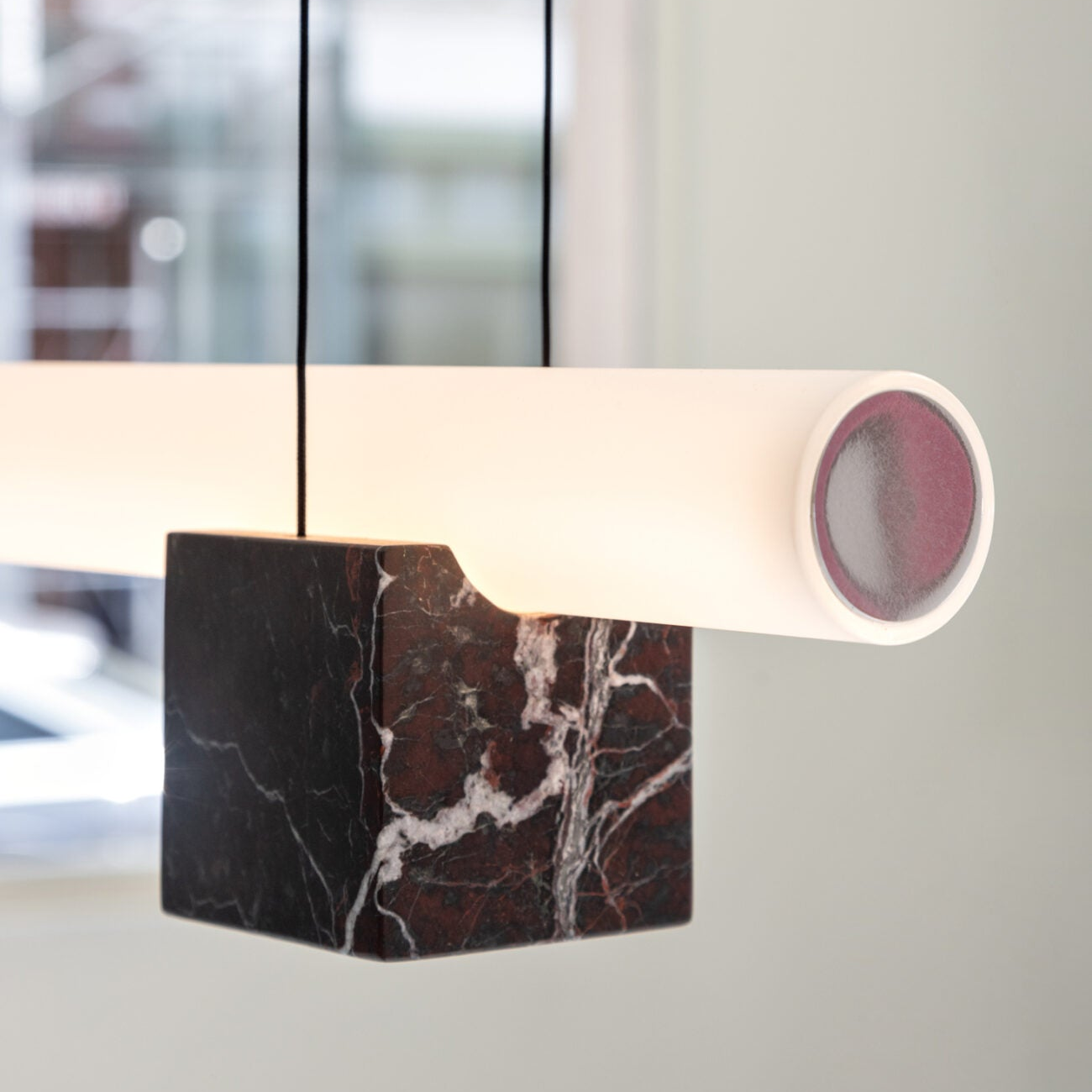
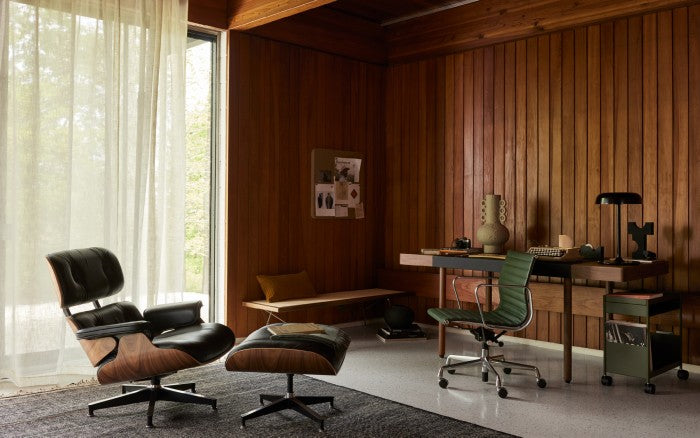
Wood introduces warmth and permanence. Stone brings weight and texture. Glass reflects and softens light, while wool and natural fibres absorb it, creating a quieter, more comfortable atmosphere. Metal adds definition and precision, often giving a room its architectural edge.
When these materials are chosen with intention, they complement one another rather than compete.
This philosophy is reflected throughout many of the collections we carry. The sculptural forms of B&B Italia, the thoughtful simplicity of MDF Italia, and the refined craftsmanship found throughout Pianca all demonstrate how material selection influences the character of a piece as much as its shape.
The goal isn't variety for its own sake, it's balance.
Contrast Creates Visual Interest
Layering works because our eyes naturally respond to contrast.
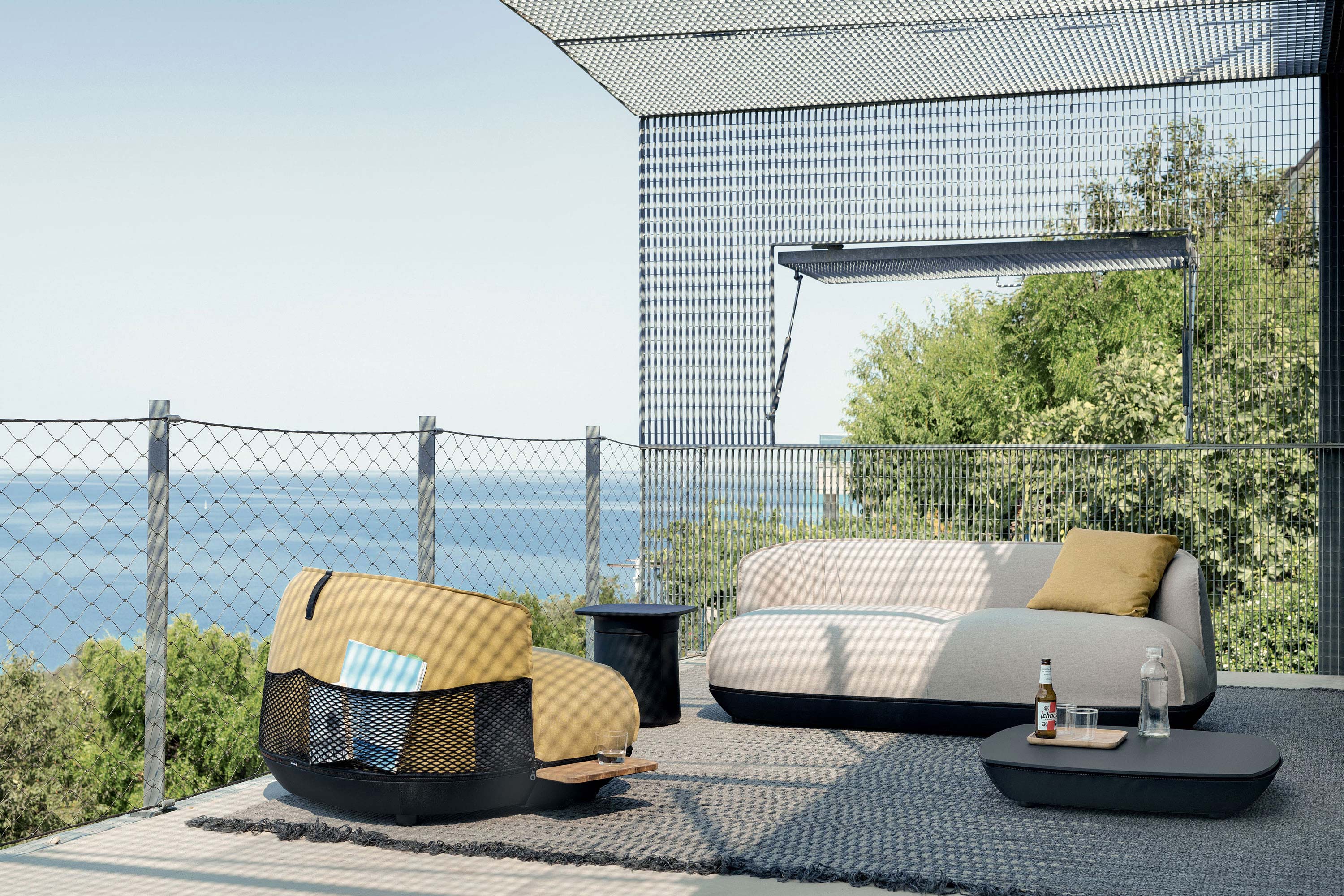
A smooth stone tabletop feels more inviting beside an upholstered chair. A woven rug adds depth beneath clean-lined furniture. Matte finishes become more expressive when paired with polished metal or glass.
These relationships keep a room engaging without relying on bold colours or decorative excess.
One of the most effective examples comes from Nanimarquina, whose handcrafted rugs introduce texture, colour, and softness while helping define different areas within a home. Rather than acting as a finishing accessory, a rug often becomes the element that connects everything else in the room.
Lighting Reveals What Materials Can't
Texture only becomes meaningful when it's illuminated well.
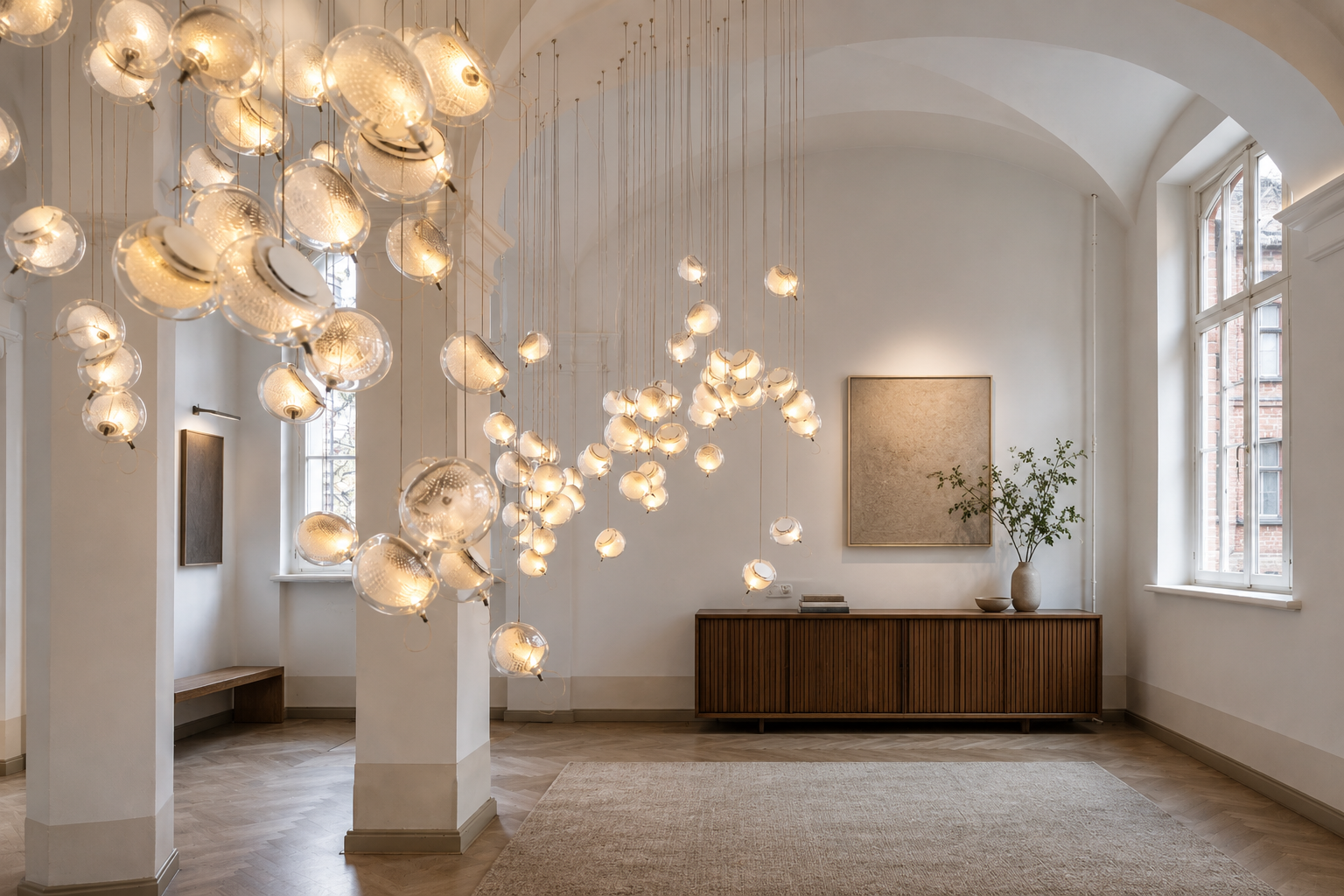
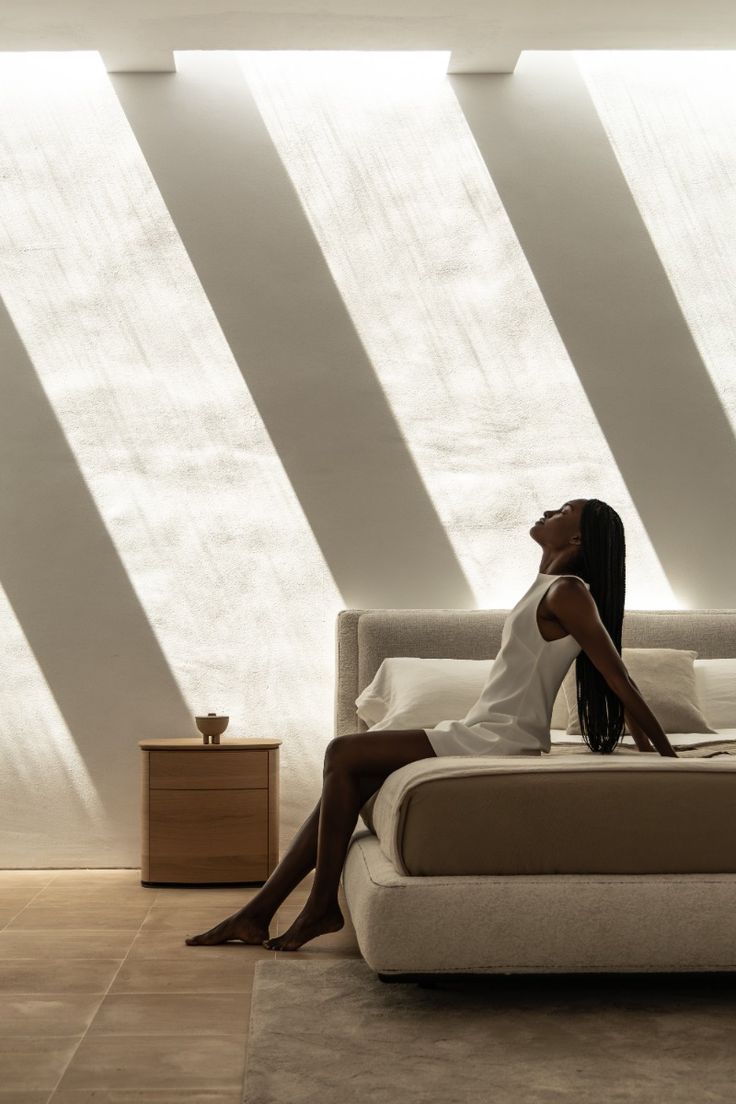
Natural light changes throughout the day, revealing different qualities in timber, stone, fabric, and glass. As evening arrives, carefully chosen lighting continues that conversation by introducing warmth, depth, and shadow where the room needs it most.
Design-forward lighting brands such as Flos, Foscarini, Bocci, and Lambert & Fils approach lighting as part of the architecture of a space rather than something applied afterward.
The fixture itself contributes to the room during the day, while the light it produces reshapes the atmosphere after sunset.
For homeowners interested in understanding how lighting influences interior spaces, the Illuminating Engineering Society (IES) offers practical guidance on the principles of residential lighting design, making it an excellent resource for understanding why thoughtful lighting has such a lasting impact on how a room is experienced.
A Room Doesn't Need More, It Needs Purpose
One of the easiest mistakes to make is assuming a room feels unfinished because it needs another chair, another accessory, or another decorative object.
Often, the opposite is true. Layering isn't about filling empty space. It's about ensuring every piece has a reason to be there.
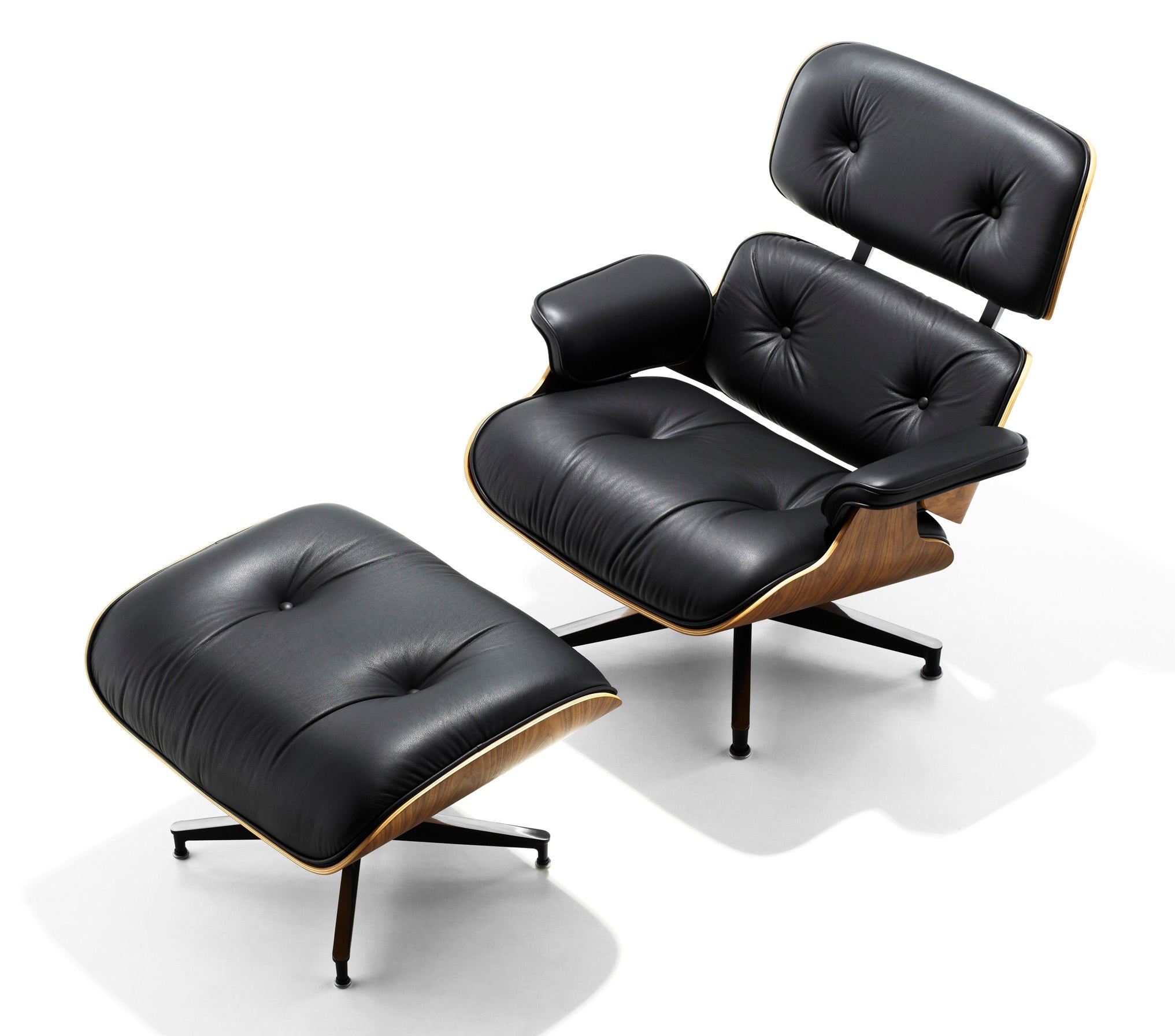
A well-proportioned lounge chair beside a floor lamp creates a destination for reading. A textured rug anchors a seating area without adding visual weight. A thoughtfully placed sideboard provides storage while introducing another material into the composition.
When each element serves both a functional and visual purpose, the room begins to feel settled rather than staged.
The Difference Between Collected and Cluttered
The most memorable interiors rarely feel as though they were purchased all at once.
They develop gradually, bringing together pieces that share a common philosophy rather than identical finishes or matching silhouettes.
That might mean combining the contemporary craftsmanship of B&B Italia with the modular adaptability of USM, introducing a Flos pendant overhead, then grounding the entire composition with a Nanimarquina rug. Each piece has its own identity, yet together they create a room that feels cohesive because proportion, material, and quality remain consistent.
This is where restraint becomes one of the most valuable design tools. Leaving space around a beautiful object often allows it to contribute more than surrounding it with competing elements.
The Alteriors Approach
Every home has its own architecture, natural light, and rhythm of daily life. Good design responds to those conditions instead of asking the space to conform to a predetermined look.
We approach layering by considering how furniture, lighting, textiles, and accessories relate to one another from the beginning. The objective isn't to create perfectly matched rooms. It's to create interiors that feel balanced, comfortable, and authentic to the people who live in them.
If you're looking to build a home with lasting character, explore our curated collection of contemporary furniture, lighting, and accessories, or visit our Ottawa showroom to experience how thoughtful layering transforms a space.